Getting locked out with kids in the car is a jolt that redirects the whole afternoon. From on-site locksmith shifts to neighborhood safety talks, I have seen patterns that help parents stay calm and get back inside quickly. In many cases a better outcome starts with knowing who to call and what to ask, so keep this short guide handy and use it before frustration grows into a dangerous situation. When time is critical and you need help now, consider contacting locksmith near me as a first step within your local area, because a quick vetted professional can make a big difference.
First priorities when a family lockout happens.
Take an objective scan before you act so you know whether the situation is urgent. Confirm where everyone is relative to locked doors and vehicles, and check temperature or traffic risks immediately. High temperatures convert a lockout into an emergency, so prioritize calling emergency responders without delay.
Small tools and tricks worth storing in your family bag.
A set of practical items in your trunk or diaper bag reduces the chance of a full lockout turning into a long ordeal. Put a phone charger, a compact flashlight, and a hidden spare key with a neighbor or inside a secure lockbox in your yard. Labeling a permanent spare with a family nickname rather than an address reduces the chance of misuse if lost.
What to tell a professional when you call for help.
Explain the lock type, the make and model if it is a car, and whether anyone is in immediate danger. If keys are inside, mention if the lock is electronic, smart, or a traditional deadbolt so the technician can prepare hardware and programming tools. Ask whether they are licensed and request an approximate ETA, an upfront price range, and whether they accept contactless payment.
Why having a chosen locksmith ahead of time pays off.
Pre-vetting saves the time you would otherwise spend reading reviews during a stressful moment. Use community groups, neighborhood apps, or a direct web search to find certified local locksmiths with good family-focused reviews and proven response times. Once you commit to a reliable provider, add them to your emergency contact list and share the name with family members.
A locked car with children inside changes the tactics a locksmith uses.
If anyone is inside a hot or cold car, call emergency services immediately before attempting other steps. Ask the technician whether they will try an inflatable wedge and reach tool first, because those methods usually avoid broken glass. If the child is outside the car, move them to shade and give water while you call a locksmith or a trusted friend.
When a do-it-yourself approach is acceptable and when to avoid it.
Try to remain calm and avoid forcing locks or breaking glass unless a life is at stake. Calling a nearby family member or neighbor who has a spare key usually resolves the situation quickly and without cost. If a door has a visible latch in reach, carefully try the latch without using forceful tools.
Typical pricing and red flags when calling a locksmith.
Expect higher prices for after-hours or holiday responses and for sophisticated electronic or automotive entries. Ask the dispatcher for a ballpark fee for the basic service and the possible extra charges for complicated locks or replacements so you do not get sticker shock. If a locksmith recommends damaging the lock to gain entry, ask for the reason and for a price comparison for repair or replacement.
Electronic lock quirks that parents should know.
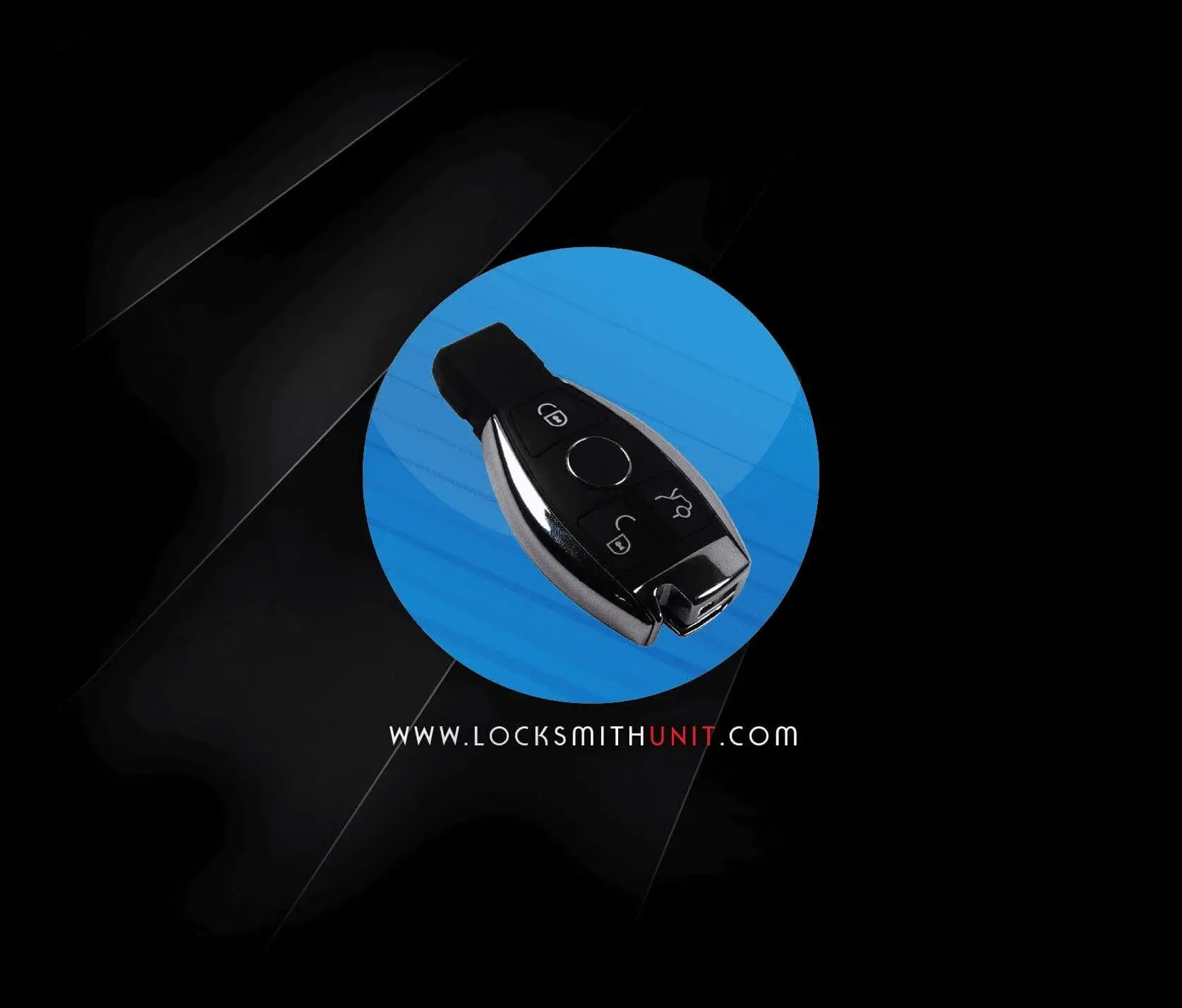
If a smart lock has lost power or an app link has failed, entry may require specialized tools or a manufacturer code. Providing the model and battery type helps the locksmith bring the correct replacement batteries or override tools if needed. For cars with smart fobs, programming equipment may be required and that usually costs more than a simple mechanical unlock.
Expectations for professional, child-aware service providers.
A professional locksmith will present ID, explain the process in plain language, and keep children out of the immediate work area. Demanding credentials is reasonable when children are present, and a reputable company will not object locksmith Orlando to a verification call. If you have privacy concerns about a neighbor storing your spare key, ask the locksmith about secure alternatives and approved lockboxes.
When to rekey, replace, or upgrade locks for family safety.
Rekeying cost is usually lower than full replacement and prevents old copies of keys from opening your locks. A rekey is especially sensible if a temporary caregiver or contractor might still hold keys. Consider adding a simple keypad or a smart lock with temporary codes for babysitters or house cleaners, because temporary codes reduce the need to hand out physical keys.
Car key replacement and programming basics parents should know.
Replacing a modern car key often requires cutting a metal blade and programming an electronic chip or fob, which can be costlier than an old-fashioned key. Mobile auto locksmiths often handle key cutting and programming from a van, avoiding towing and dealer delays. If a dealer-only restriction exists, a mobile locksmith can still help with safe towing or temporary measures to get you home.
How to train children and caregivers to reduce lockout chances.
Practice small habits with kids and caregivers like designated pockets for keys and a family reminder routine before leaving the house. Use a checklist by the door or a quick call to a partner as part of your leaving routine to reduce human error. A bright, tactile key holder helps when you are distracted by kids and errands.
When a quick fix might cause downstream costs.
If a child is in danger, destructive entry is appropriate; if not, insist on non-destructive attempts first. Understand the trade-offs so you can make an informed choice when technicians describe options. If you call police for a locked child in a vehicle, they may order forced entry before an arrival of a private locksmith, which affects how you proceed with private service afterwards.
Scheduling periodic security reviews for families.
An annual habit keeps access lists honest and prevents forgotten copies from persisting. Keep a secure log of active access points and who holds them. A quick rekey at move-in is inexpensive insurance against future trouble.
Pros and cons of installing your own keypad or smart lock.
If you are comfortable with basic tools and follow manufacturer instructions, a DIY install can work well for simple deadbolts. If you rely on the lock for frequent family access, a small fee for proper installation avoids chronic nuisance problems. For cars, programming fobs without the right tools is rarely practical, so plan on a mobile auto locksmith or dealer for most modern vehicles.
Quick actions that prevent escalation during a lockout.
Store a spare key with a trusted neighbor, pack a small emergency kit, and program a reliable locksmith contact. Avoid hiding keys in obvious outdoor spots and prefer tamper-resistant lockboxes or a neighbor's house. If you do get locked out, prioritize safety, call emergency services if a life is at risk, and ask for a clear estimate before authorizing work.
Simple habits and a trusted locksmith contact let families manage the problem without panic. Composure, preparation, and good choices about when to call professionals keep children safe and minimize damage.